Cinema Myths · Case 02
“The Helios 44 is secretly a Zeiss: the Russians stole the blueprints in the war.”
The Helios 44 isn't secretly a Zeiss
A fifty-dollar Soviet lens shot the car chase in The Batman. The comments always say it's a stolen Zeiss. The truth is worse.
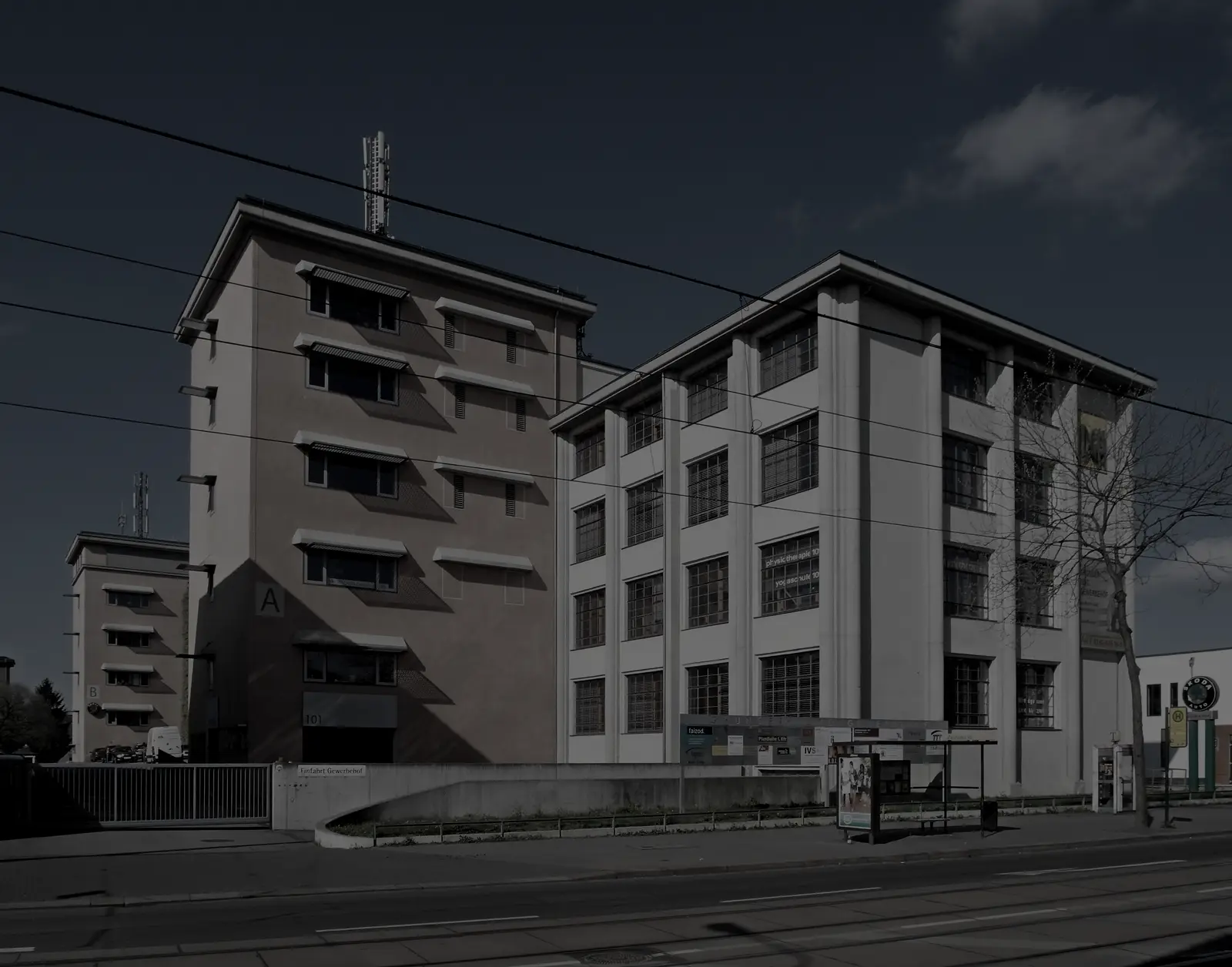
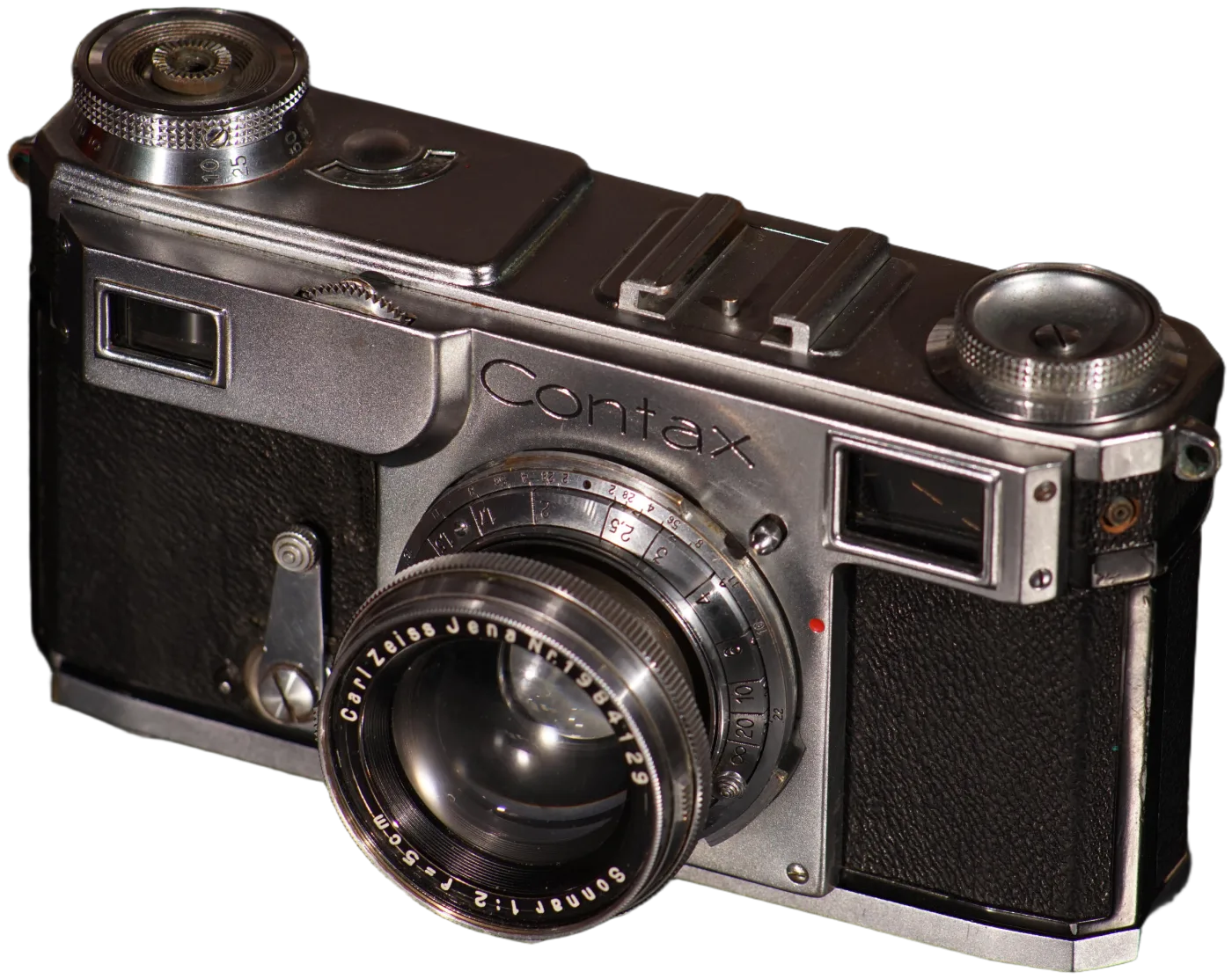
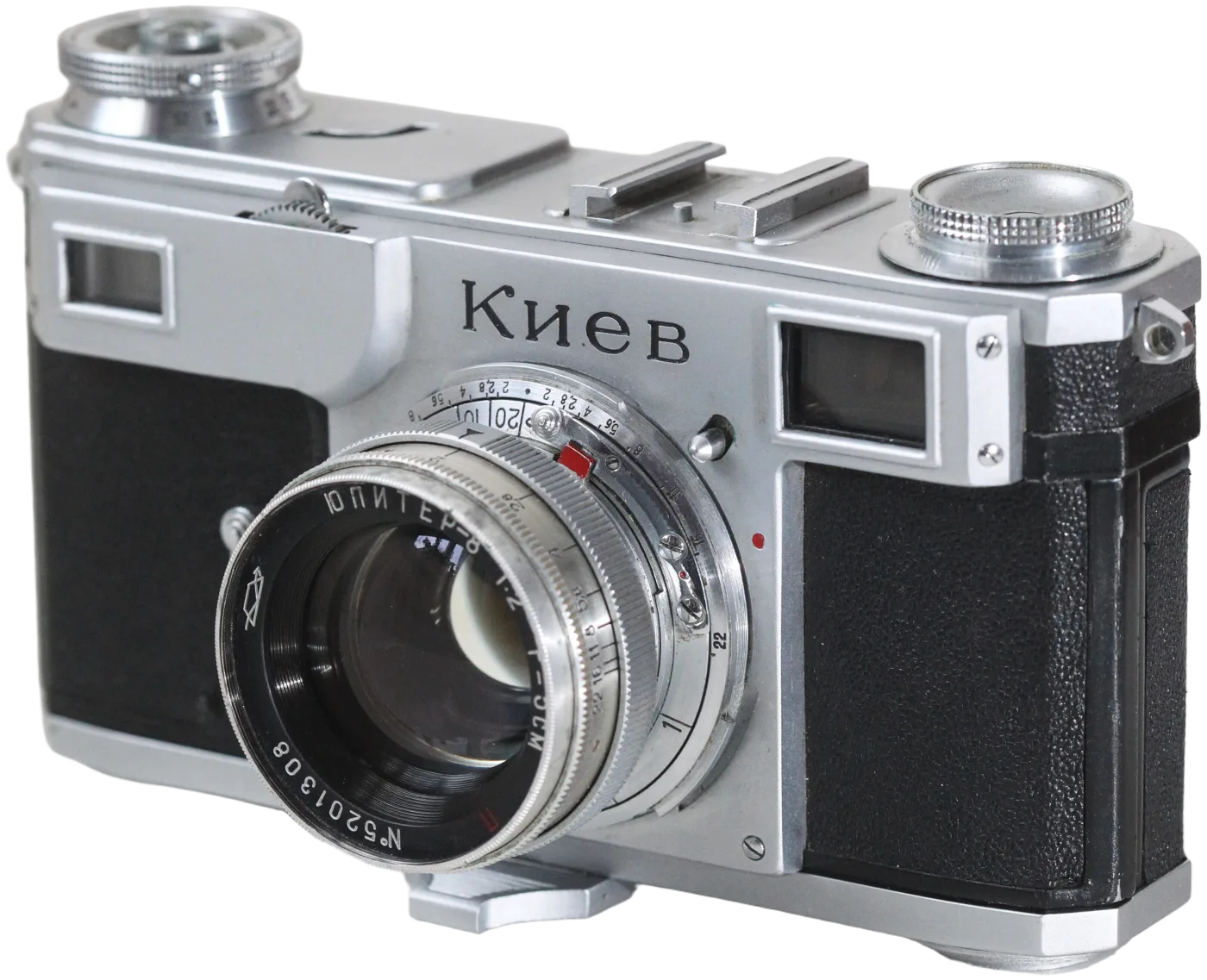
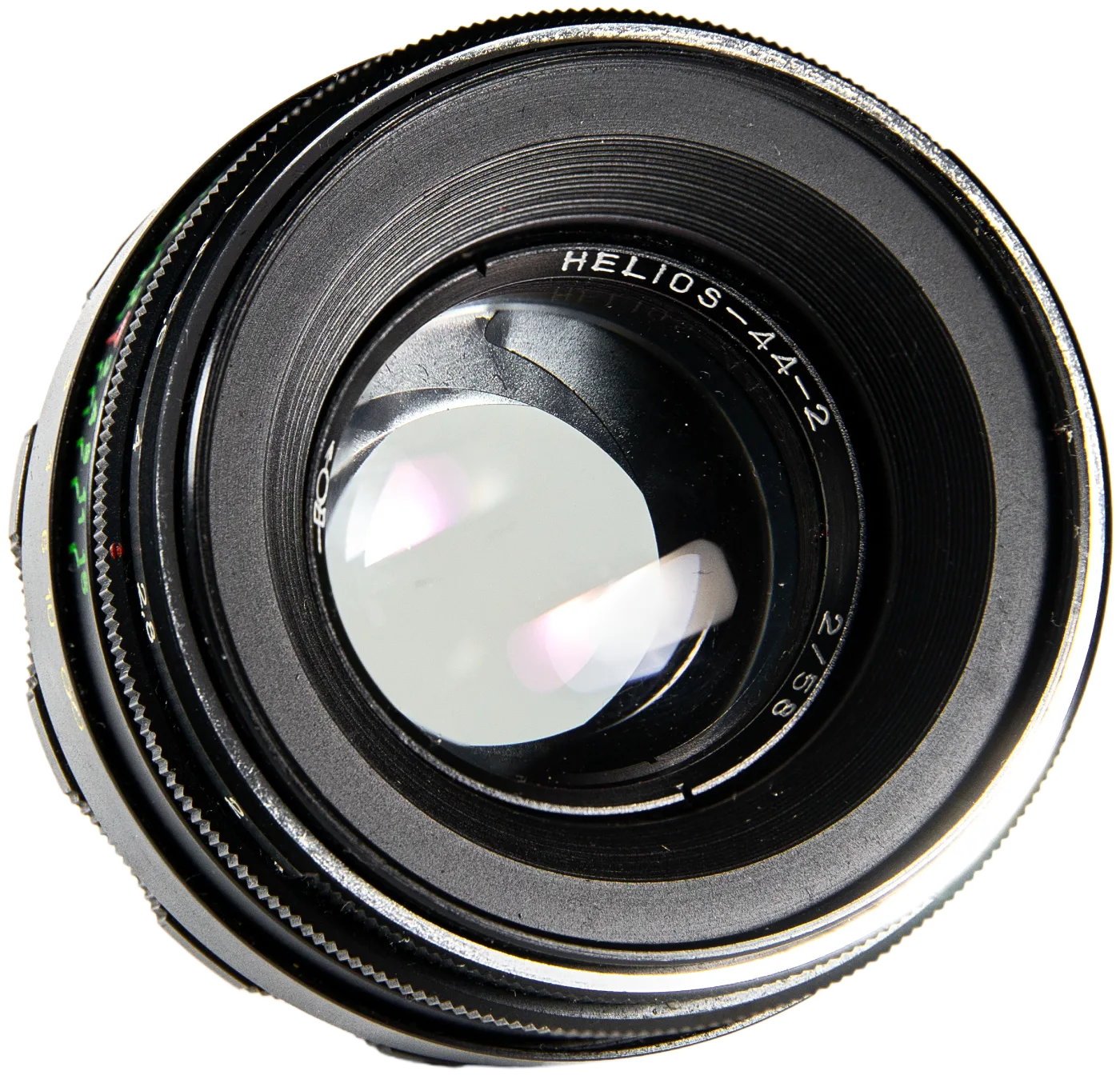
Goehle-Werk: Jörg Blobelt (CC BY-SA 4.0) · Contax II: Windjammer1986 (CC BY-SA 4.0) · Kiev-II: Runner1616 (CC BY-SA 4.0) · Helios-44-2: Anil Öztas (CC BY-SA 4.0)
The verdict
Myth: Guilty
Nobody stole any blueprints. They took the factory, they took the people, they put it on 92 trains. Your Soviet lens isn't secretly a Zeiss. It's openly a Zeiss.
The case file
Exhibits, suspects, verdict.
Exhibit 1
The factory
Sourced in episodeThe war ends in 1945 and Germany is to pay in money, equipment, goods and labour. Zeiss Ikon in Dresden made one of the best cameras in the world, the Contax, and Dresden ended up in the Soviet zone.
So the Soviets didn't sneak in for blueprints. They took the factory: machines, tools and the whole production line went east to the Arsenal factory in Kyiv. The first cameras out were called Kiev, identical to the Contax except for the logo. On some early ones you can see Contax stamped first and Kiev hammered over it.
Exhibit 2
The people
Sourced in episodeOn 22 October 1946, more than 2,500 German scientists, engineers and technicians across the Soviet zone were woken and told they were moving that day, with their families: around 6,000 people in half a day, on 92 freight trains.
Not a man in a coat. A logistics operation. You can't hide 92 trains.
Exhibit 3
The glass
Sourced in episodeZeiss patented the Sonnar in 1929: sharp, contrasty and cheap to make. The Soviet Jupiter-3, Jupiter-8 and Jupiter-9 are copies of the Sonnar 50 mm f/1.5, 50 mm f/2 and 85 mm f/2. Not inspired by: copies.
And the Helios 44 is the Zeiss Biotar 58 mm f/2. Also a copy.
Intermission
So why the swirl?
Sourced in episodeThe swirly background comes from field curvature: the lens focuses on a slightly curved surface instead of a flat plane, so out at the edges the background bends and spins. To a 1927 engineer that was a flaw to design away.
The Biotar was first designed for cinema cameras. Born for film, sent to the Soviet Union, bolted onto millions of cheap cameras, and eighty years later straight back to film. That's not a lens, that's a character arc.
Suspect 1
The Americans
Sourced in episodeZeiss's main works in Jena was also in the Soviet zone, and before the Soviets arrived the US Army moved part of Zeiss west. That's how there came to be two Zeiss companies, one in the East and one in the West.
Everyone took Zeiss. Copying the Sonnar wasn't stealing blueprints; it was taking the leftovers.
Suspect 2
The Japanese
Sourced in episodeIn 1946 a Japanese company made a 5 cm f/2 for its rangefinder, based on the Sonnar. The company was Nikon, and nobody ever said a Nikon is secretly a Zeiss.
It was never about who copied. Everybody copied. It's about who we think is cool enough to have copied.
Batman calls
Cheap enough to crash
Sourced in episodeIn 2022 Greig Fraser needed cameras bolted to cars for The Batman's chase. His main lenses were too big, heavy and expensive to crash, so a small Ukrainian workshop rehoused Soviet Helios and Jupiter lenses in cinema housings.
In American Cinematographer he praises the warmth and the lack of uniformity across the image, a lack of scientific perfection. They even had an oval cut into the aperture for anamorphic-looking bokeh. For Dune: Part Two, Fraser again used rehoused Soviet-era glass from the same workshop.
Verdict
The myth: guilty
Sourced in episodeZeiss built the perfect lens. It went to NASA, to Kubrick and to the Moon. The Soviets copied it slightly wrong, and seventy years later Hollywood pays extra for the wrong.
And Zeiss stopped worrying about your bokeh long ago: the chips in your phone were most likely made by machines built around Zeiss optics. Your Helios isn't secretly a Zeiss, but your phone kind of is.
Sources
- American Cinematographer, “Optics Spotlight: Rehoused Ukrainian Lenses” (Greig Fraser on The Batman)
- Ludwig Bertele, German patent DE 530 843 (Sonnar), filed 14 August 1929
- Carl Zeiss Stiftung, history of the foundation (122 key staff taken west, June 1945)
- CIA reading room: Operation Osoaviakhim and Jena staff
- Foreign Relations of the United States 1946, vol. V, doc. 484
- bpb, “Der Spezialistentransfer in die UdSSR”
- Carl Zeiss Stiftung v. VEB Carl Zeiss Jena, 433 F.2d 686 (2d Cir. 1970)
- Nikon, Nikkor-H·C 5cm f/2 (a Sonnar-type lens)
- ZEISS, Planar 0.7/50; NASA Apollo Lunar Surface Journal; Hasselblad in space; ZEISS SMT on EUV lithography
- Leitz auction: early Kiev with Contax engraving
Sources as listed in the episode description. Archive footage is public domain.
In the Lens Files
More cases