
Lenses · Portrait lens design · Vienna, 1840
Petzval
The first lens worked out with mathematics instead of trial and error, in 1840. Its flaws are why films still use it.
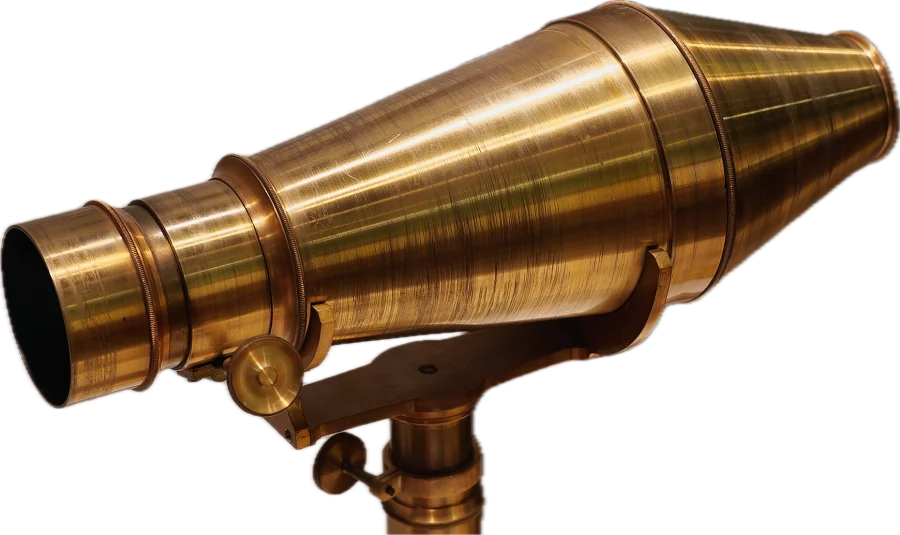
Photo: Bautsch · CC0 · Wikimedia Commons, background removed
Specifications
- Designed
- 1840, in Vienna
- Maximum aperture
- f/3.6
- Focal length of the first lens
- 160 mm
- Optical design
- Two doublets with the aperture stop between them
- Field of view
- About 30°
How it draws
Character.
Sharp in the middle only
The design trades the edges for speed: sharpness falls away from the centre, with field curvature and vignetting. A later design, the Aplanat, fixed that.
The swirl
A Petzval swirls out-of-focus backgrounds in a way of its own, and the effect gets heavier towards the edges.
On screen
Films shot with it.

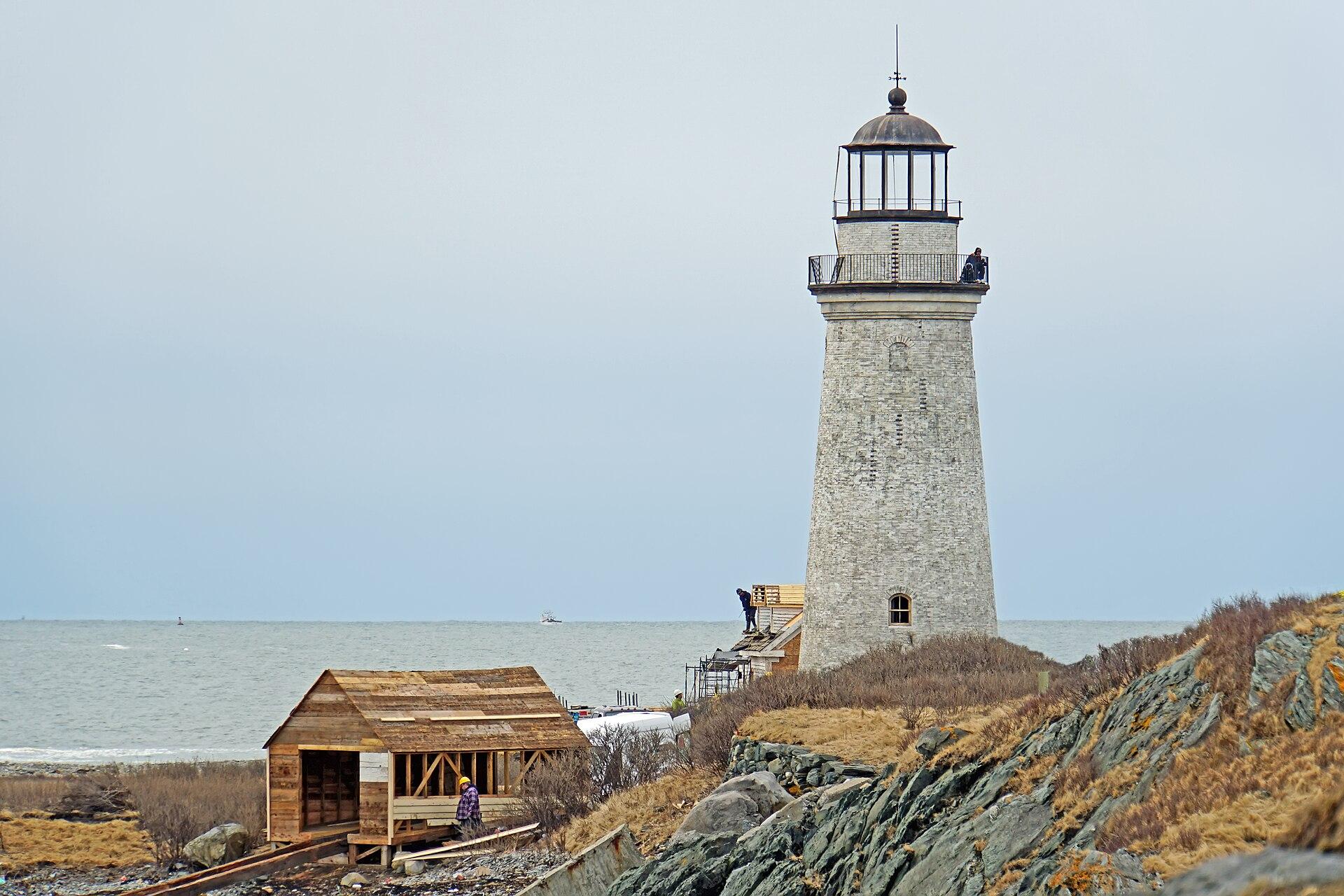


Looks
Through the glass.
Versions
Which one is which.
Voigtländer-Petzval
from 1840
Plate cameras
The original portrait lens. It gathered 22 times as much light as Daguerre’s lens of 1839, which brought portrait exposures under a minute.
Lomography Petzval
from 2013
Modern cameras
A new Petzval, funded on Kickstarter. In 2019 TLS rehoused it for cinema cameras.
References
- Wikipedia: Petzval lensSource for the history, the design and the modern versions.
- American Cinematographer: Stormy Isle: The LighthouseJarin Blaschke on the three Petzvals and how they swirl.
- British Cinematographer: Robbie Ryan BSC ISC / Poor ThingsThe projector Petzvals on Poor Things.