
Shot on · 2023
The Creator
Nearly the whole film went through one lens, a 75 mm Kowa anamorphic on a Sony FX3. A handful of rehoused Soviet lenses, a Helios 44-2 and a Jupiter-9 among them, came out for select shots.
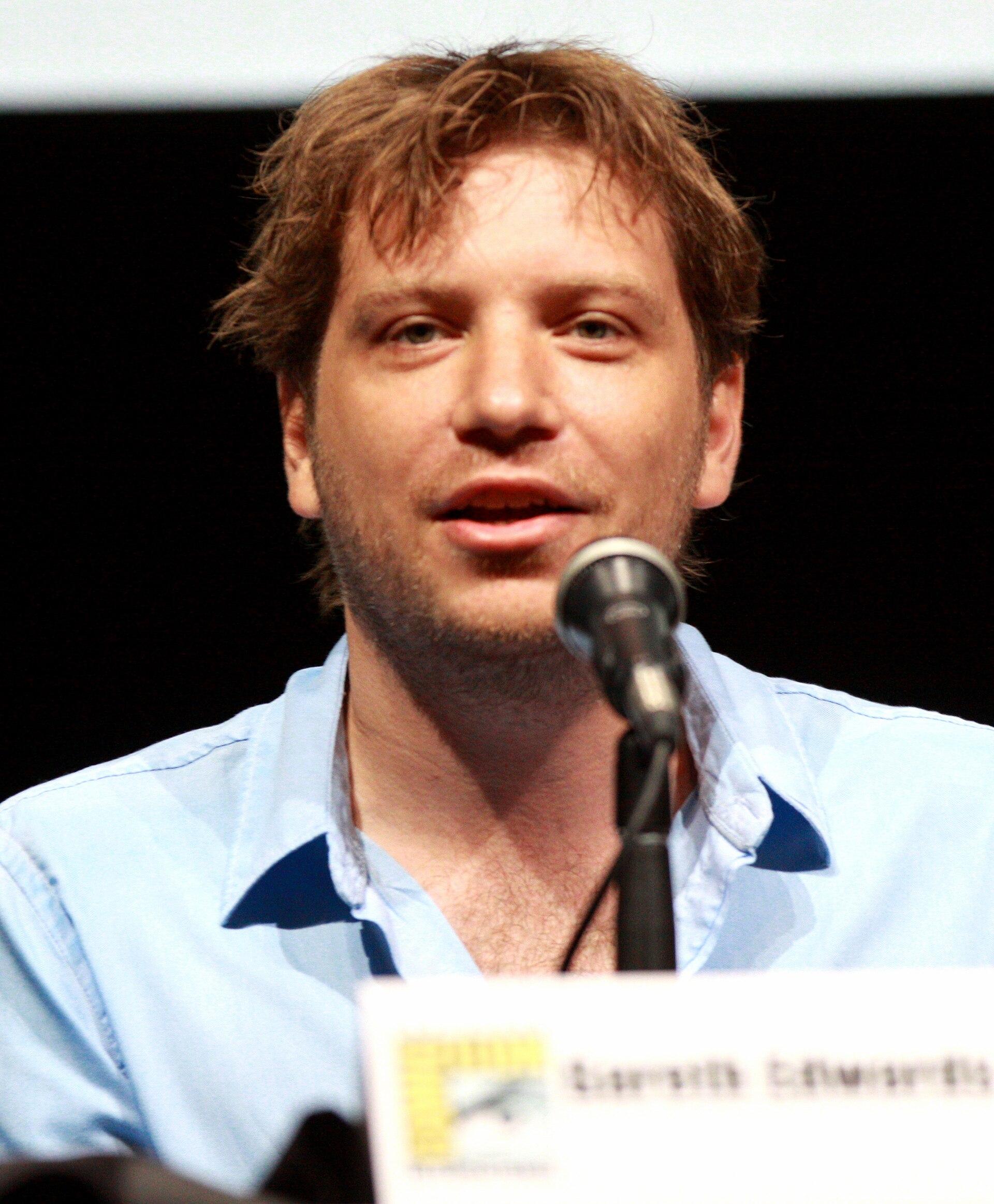
Photo: Gage Skidmore · CC BY-SA 3.0 · Wikimedia Commons

The lenses
Nearly the whole film went through one lens: a 75 mm Kowa Cine Prominar anamorphic, a small Japanese lens from the 1970s, shot wide open at T2.8. One interview puts it at 95 percent of the film.
A prototype 42 mm Atlas Mercury anamorphic covered tight spaces such as car interiors. For select shots there were Soviet stills lenses rehoused by IronGlass: a Mir-24M 35 mm, a Helios 44-2 58 mm and a Jupiter-9 85 mm, plus a Vivitar 200 mm.
Why so little glass
Greig Fraser talks about paring a film down. Much of what a crew carries is there just in case, he says, and every just-in-case item needs people to move it. Take the crane you might use and you have taken the crew that comes with it.
One lens meant a camera that was always ready, and a director who never had to stop and choose.
The camera
The Sony FX3, a mirrorless camera that sold for about $4,000. Fraser had tried it on a commercial after The Batman and was struck by how little light it needs: he singles out the image it gives at 12,800 ISO.
The production bought ten of them. Four were rigged at all times, one on a hand-held DJI Ronin RS2 gimbal, one on a small dolly, one on a 17-foot scissor crane and one on a heavy-lift drone, so nobody waited for a camera to be moved.
Who shot it
Two cinematographers share the credit. Greig Fraser set the film up with director Gareth Edwards, then had to be in Hungary for Dune: Part Two. Oren Soffer shot on set in Thailand, and Fraser looked at the footage from afar every day.
Edwards operated the main camera himself. He would block a scene with the actors and start shooting on the gimbal, while Soffer and the gaffer sat at a monitor out of sight, so the camera could turn all the way round without seeing crew.
How it did
The Creator cost $80 million and took $104.3 million at cinemas worldwide. It was nominated for two Academy Awards, for visual effects and for sound.
Worth knowing
Edwards’ first feature, Monsters, cost $500,000, and he did the visual effects himself. American Cinematographer calls The Creator a cross between that film and his Star Wars film Rogue One, which Fraser also shot. The two started talking about The Creator while making it.
And if Edwards had had his way, Soffer says, the film would have been even wider: a 3.5:1 frame.
Watch
Behind the scenes.
From ShotDeck · 133 min
The Creator: Gareth Edwards, Greig Fraser and Oren Soffer in conversation
From Aputure · 11 min
Lighting The Creator, with Greig Fraser and Oren Soffer
From 20th Century Studios · 2 min
The Creator: the vision
The lenses, at a glance
Kowa Cine Prominar 75 mm anamorphic
All but a few shots, wide open at T2.8
Lens File: Kowa Anamorphic →Atlas Mercury 42 mm anamorphic (prototype)
Tight spaces such as car interiors
Lens File: Atlas Mercury →Helios 44-2 58 mm, rehoused by Iron Glass
Select shots
Lens File: Helios 44 →Jupiter-9 85 mm, rehoused by Iron Glass
Select shots
Lens File: Jupiter 9 →Mir-24M 35 mm, rehoused by Iron Glass
Select shots
Vivitar M42 200 mm
Select shots
Get the look
Start with the same lenses.
Read more
The film
- Cinematographer
- Greig Fraser and Oren Soffer
- Director
- Gareth Edwards
- Aspect ratio
- 2.76:1
- Camera
- Sony FX3
- Main lens
- Kowa 75 mm anamorphic, T2.8
- Budget
- $80 million
- Box office
- $104.3 million worldwide
- Awards
- Two Oscar nominations
Sources