
Shot on · 1975
Barry Lyndon
Zeiss made only ten of these lenses, six of them for NASA. Kubrick used his for the candlelight scenes. Zeiss itself says there is no evidence for the story that NASA shot the far side of the moon with it.
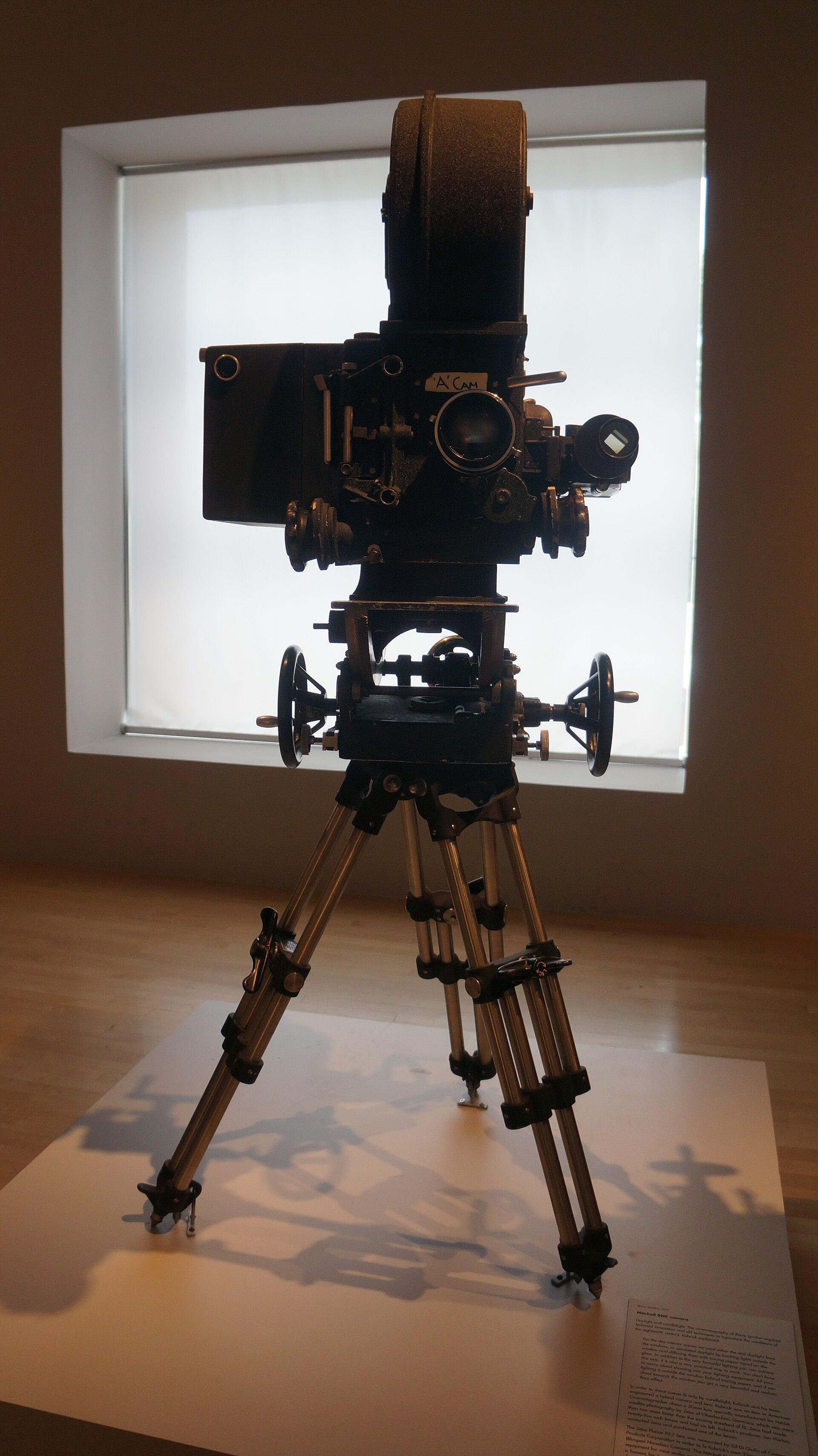
Photo: Matthew J. Cotter · CC BY-SA 2.0 · Wikimedia Commons

The lenses
For the candlelit scenes, a Zeiss Planar 50 mm f/0.7. Zeiss made ten of them, six for NASA. Stanley Kubrick got hold of three that were left over.
Why those
Kubrick and his cinematographer, John Alcott, had talked for years about filming by candlelight alone, and had never found a lens fast enough. This one was. The scenes were lit entirely by the candles in them.
The camera
The lens would not fit any film camera. Its rear glass sits about four millimetres from the film. Kubrick had a Mitchell BNC sent to the engineer Ed DiGiulio, who cut away the lens mount to make room.
With so little light, the normal viewfinder was useless, so they fitted one from an old three-strip Technicolor camera, which works with mirrors and gives a much brighter picture.
Keeping it sharp
At f/0.7 almost nothing is in focus. The focus puller, Doug Milsome, used a video camera placed at a right angle to the film camera and a television screen with a grid laid over it. The actors’ positions were marked on the grid, so he could see how far each had moved and follow them.
Who shot it
John Alcott. He won the Academy Award for it.
How it did
Barry Lyndon cost between $11 and $12 million and took $20.3 million. It won four Academy Awards, among them best cinematography.
Worth knowing
The chandeliers held seventy candles each. Alcott had metal reflectors made to hang above them, mainly to keep the heat of the candles off the ceiling. They also threw a little light back down.
The lens is often said to have photographed the far side of the moon. Zeiss says there is no evidence for that.
Watch
Behind the scenes.
From Turner Classic Movies · 49 min
The Trials of Barry Lyndon
From Oscars · 4 min
Ryan O’Neal on making Barry Lyndon
The lenses, at a glance
Zeiss Planar 50 mm f/0.7
The candlelit interiors, shot without added light
Lens File: Zeiss Planar 50 mm f/0.7 →
Read more
The film
- Cinematographer
- John Alcott
- Director
- Stanley Kubrick
- Camera
- Mitchell BNC, rebuilt for the lens
- Budget
- $11–12 million
- Box office
- $20.3 million
- Awards
- Four Oscars, including cinematography
Sources